Installation
For new restaurants, tenant improvements, expanded kitchens, and properties installing a required interceptor for the first time.
South Florida Grease Trap Resource
Genesis Prime Group helps food service properties move from grease trap uncertainty to a workable field plan: sizing, engineering coordination, permitting support, excavation, plumbing coordination, interceptor installation, surface restoration, and closeout.
What Genesis Handles
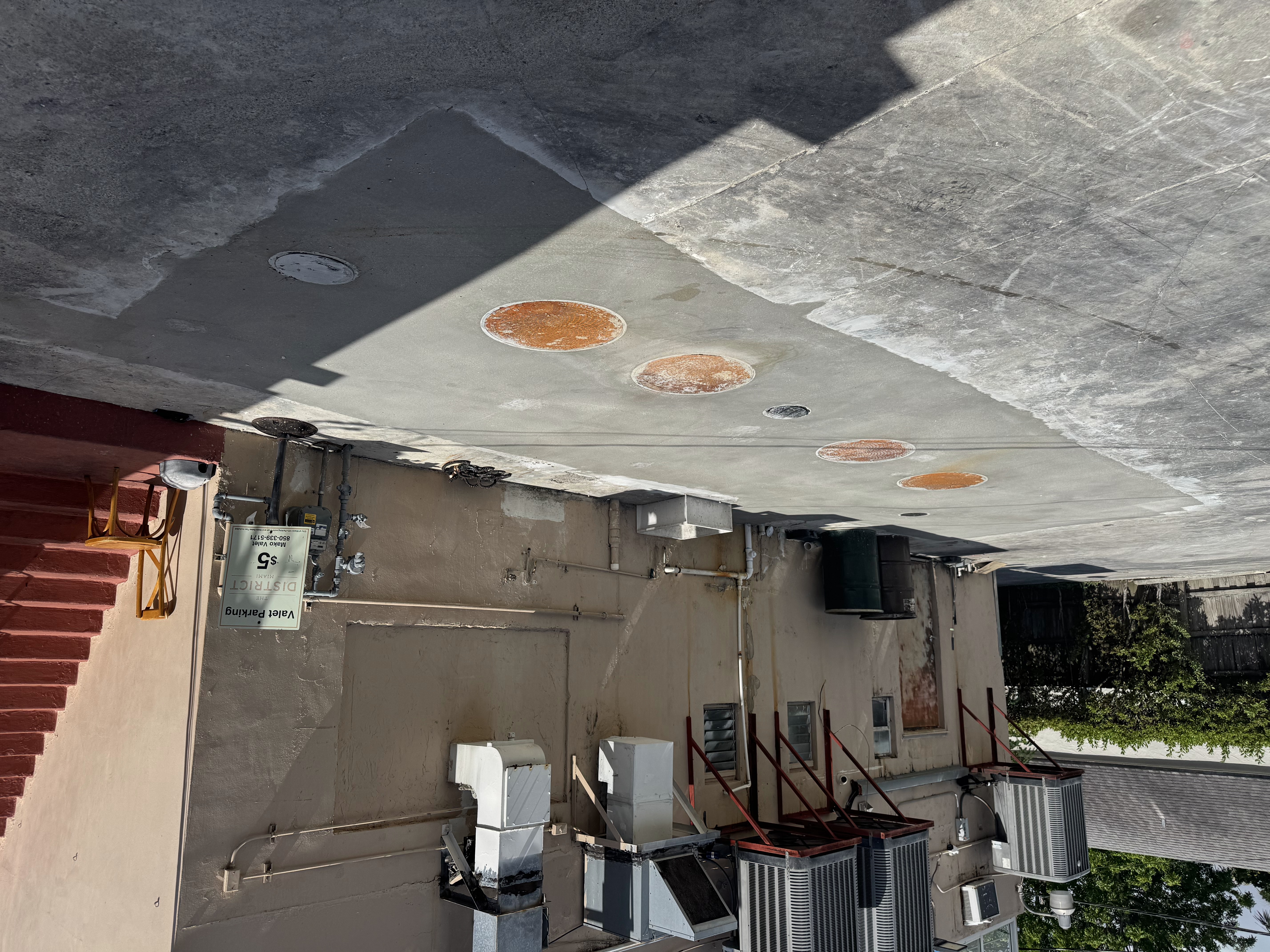
A commercial grease interceptor project can involve kitchen demand, DERM or local authority expectations, pipe routing, utility conflicts, traffic control, excavation, dewatering risk, concrete sawcutting, paving, health or building inspections, and the owner's need to keep the business moving. The right answer is usually not a single shortcut. It is a sequence that respects the property, the code path, and the operation.
Genesis Prime Group's value is the ability to help organize that sequence. Some scopes are self-performed by the Genesis field team, including construction management, excavation-related work, plumbing coordination, installation execution, backfill, concrete or pavement restoration, and owner closeout support where applicable. Some items are coordinated with the proper design professionals, utility stakeholders, inspectors, suppliers, or specialty subcontractors depending on the property and required permits.
Core Services
For new restaurants, tenant improvements, expanded kitchens, and properties installing a required interceptor for the first time.
For undersized, damaged, inaccessible, failed, or non-compliant existing systems where continued operation is at risk.
Support for municipal and County coordination, submittal planning, DERM or local review questions, and sequencing the grease trap work with the restaurant opening path.
Field review of visible conditions, access, covers, piping, pump-out history, odor complaints, and operational concerns before committing to a lease or construction budget.
Technical Knowledge
Good grease trap planning starts with the facility: menu, food preparation method, expected meals, flatware, dishwasher use, sink fixture load, pump frequency, available space, slope, invert elevations, and jurisdictional review. The calculator is not a permit approval tool, but it gives owners a structured first estimate using the same kind of questions that come up when a project moves toward design and permitting.
Future technical resources in this section should explain sizing, FOG factors, grease capacity versus flow rate, hydromechanical versus gravity interceptors, pump frequency, sampling ports, and when multiple interceptors may be needed. Those pages should be driven by Genesis field experience, photographs, calculations, and jurisdiction-specific lessons rather than generic summaries.
Common Customer Questions
If your business handles, prepares, or processes food and can discharge fats, oils, or grease, the answer depends on your jurisdiction, use, fixtures, and sewer connection. In Miami-Dade, non-residential FOG generators are treated as regulated facilities and may require an approved FOG control device and operating permit.
Maybe. Reuse depends on size, condition, location, access, past maintenance, fixture load, business type, records, and the approving authority. A lease should not assume reuse until the system has been reviewed.
Cost is driven by tank size, depth, trench length, pavement or slab restoration, utility conflicts, permitting, inspections, access, and schedule constraints. A field review is usually needed for a responsible number.
Shared systems can raise ownership, maintenance, sizing, access, sampling, and enforcement questions. They should be evaluated before a landlord or tenant relies on that approach.
Industries and Properties
Full-service restaurants usually need a closer look at seating, dishwashing, prep sinks, menu oil content, pump-out access, and whether the dining room volume matches the back-of-house equipment load.
Hotel kitchens can combine restaurants, banquet operations, bars, breakfast service, laundry-adjacent utility areas, and active guest operations. The work plan has to consider downtime and guest-facing access.
Prepared food, meat, bakery, deli, and dish areas can create multiple FOG sources. Existing piping paths and future department changes should be reviewed before selecting an interceptor location.
School kitchens often have peak service windows and seasonal construction opportunities. Planning should account for inspections, access, and a schedule that avoids disrupting operations.
These businesses may look small but can still create FOG and solids through dairy, pastries, prep sinks, and washing. Existing tenant spaces should be reviewed before assuming a small trap is enough.
Commissaries, shared kitchens, catering operations, and ghost kitchens may need a more technical review because multiple users and changing menus can alter FOG load over time.
Geographic Focus
The future section should support county and city pages only where Genesis can make them useful. Miami-Dade content should lean into DERM, FOG operating permits, municipal Certificate of Use timing, and restaurant lease questions. Broward content should focus on commercial kitchen buildouts, local plumbing review, health department coordination, and site restoration constraints. Monroe County content should account for tighter sites, access limitations, coastal conditions, and the cost of mobilizing work in the Keys.
For now, this hub links users to the most developed local resource: Miami-Dade DERM requirements. Future location pages should not repeat the same generic grease trap copy with a city name swapped in. They should document local permitting steps, common property types, project photographs, and real examples from Genesis work in that market.
How This Section Should Grow
Genesis Prime Group should build the rest of this grease trap library around real projects, calculations, agency guidance, field photographs, and lessons learned during installation and replacement. Pages about sizing, FOG factors, capacity, flow rate, sampling ports, and pump frequency should show practical examples and explain when a restaurant owner needs a design professional or agency confirmation.
That approach reduces keyword cannibalization. The hub should remain the routing page. Installation should own new system construction. Replacement should own existing-system problems. The Miami-Dade DERM page should own County educational intent. Case studies should prove actual work. The calculator should remain the conversion tool that turns education into a measurable lead.
Primary Conversion Tool
The calculator captures food type, meals, flatware, pump frequency, estimated FOG load, preliminary model recommendation, and lead attribution fields from Phase 2A.
Talk Through the Project
Genesis can review the commercial kitchen use, site constraints, likely construction path, and the next step toward sizing, permitting coordination, installation, or replacement.